Blinds vs. Shades vs. Shutters: What Your Window Treatment Store Recommends
Struggling to choose the right window covering for your Apex, NC, home? In this article, a local window treatment store breaks down the key differences between blinds, shades, and shutters so you can make a smart decision. Homeowners throughout Wake County face specific challenges: hot, humid summers, strong afternoon sun on west-facing windows, and HOA guidelines common in subdivisions like Kelly West and Copperleaf. The right product depends on the room, your lifestyle, and those local realities.
Blinds, Shades, and Shutters: What Makes Each One Different?
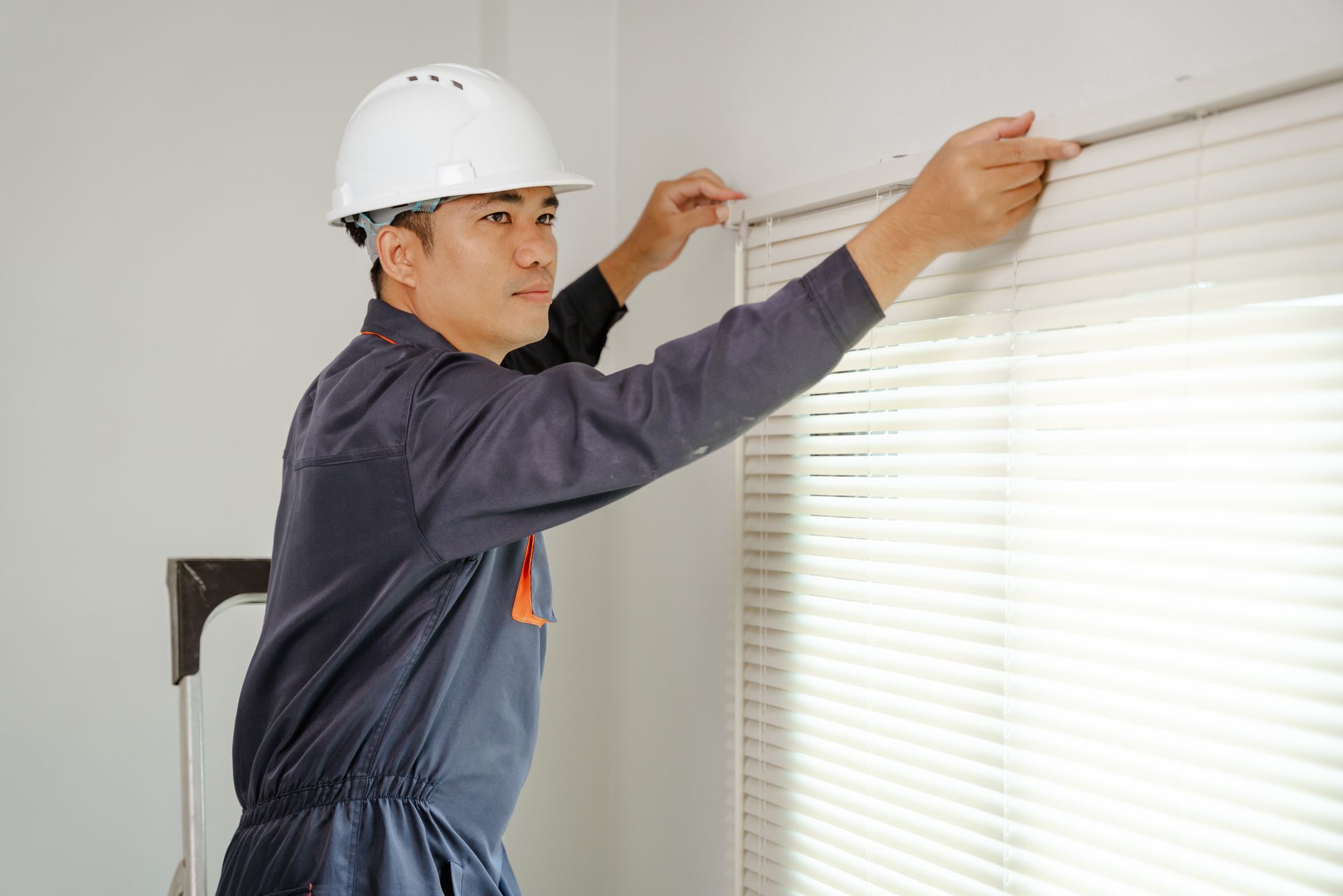
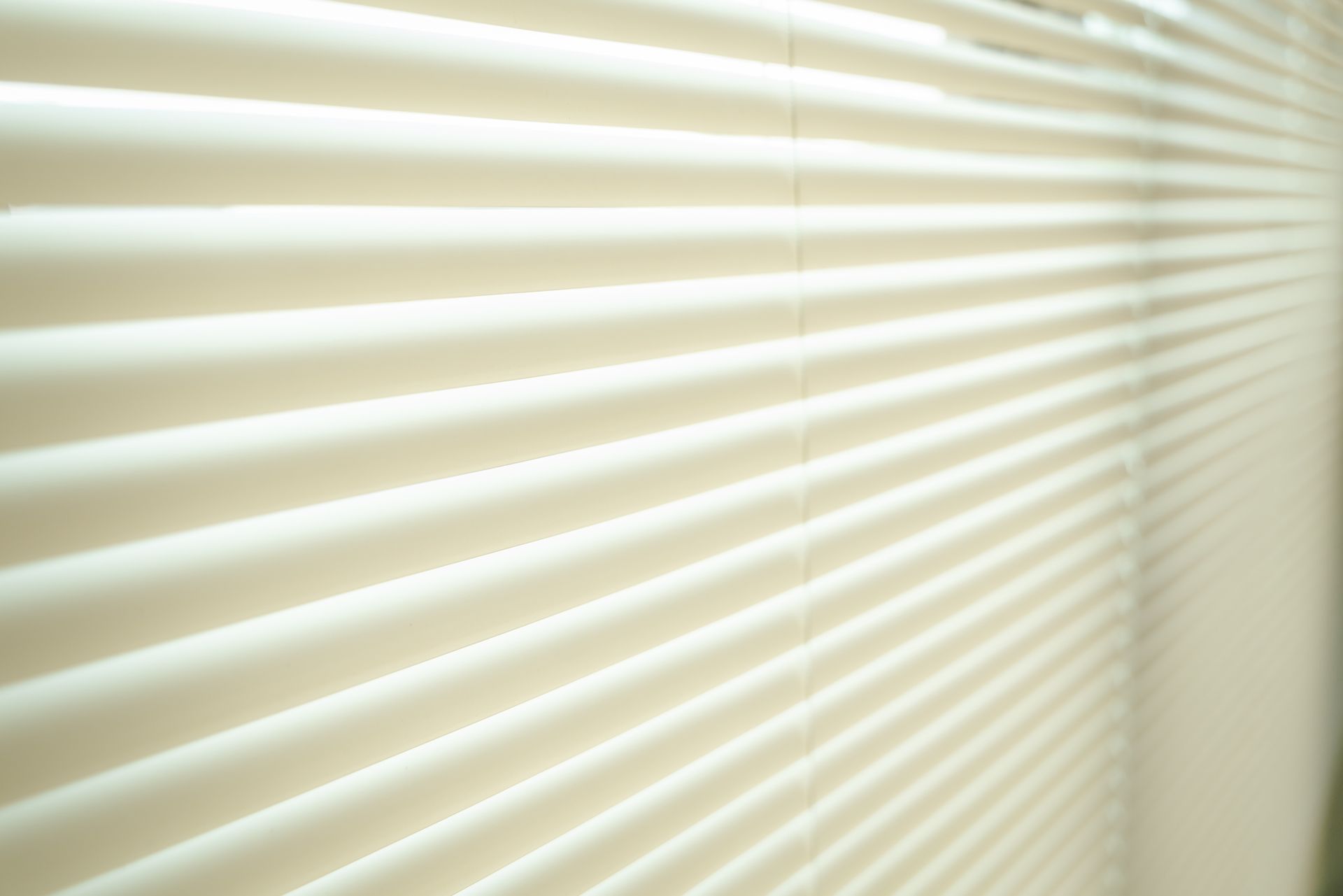
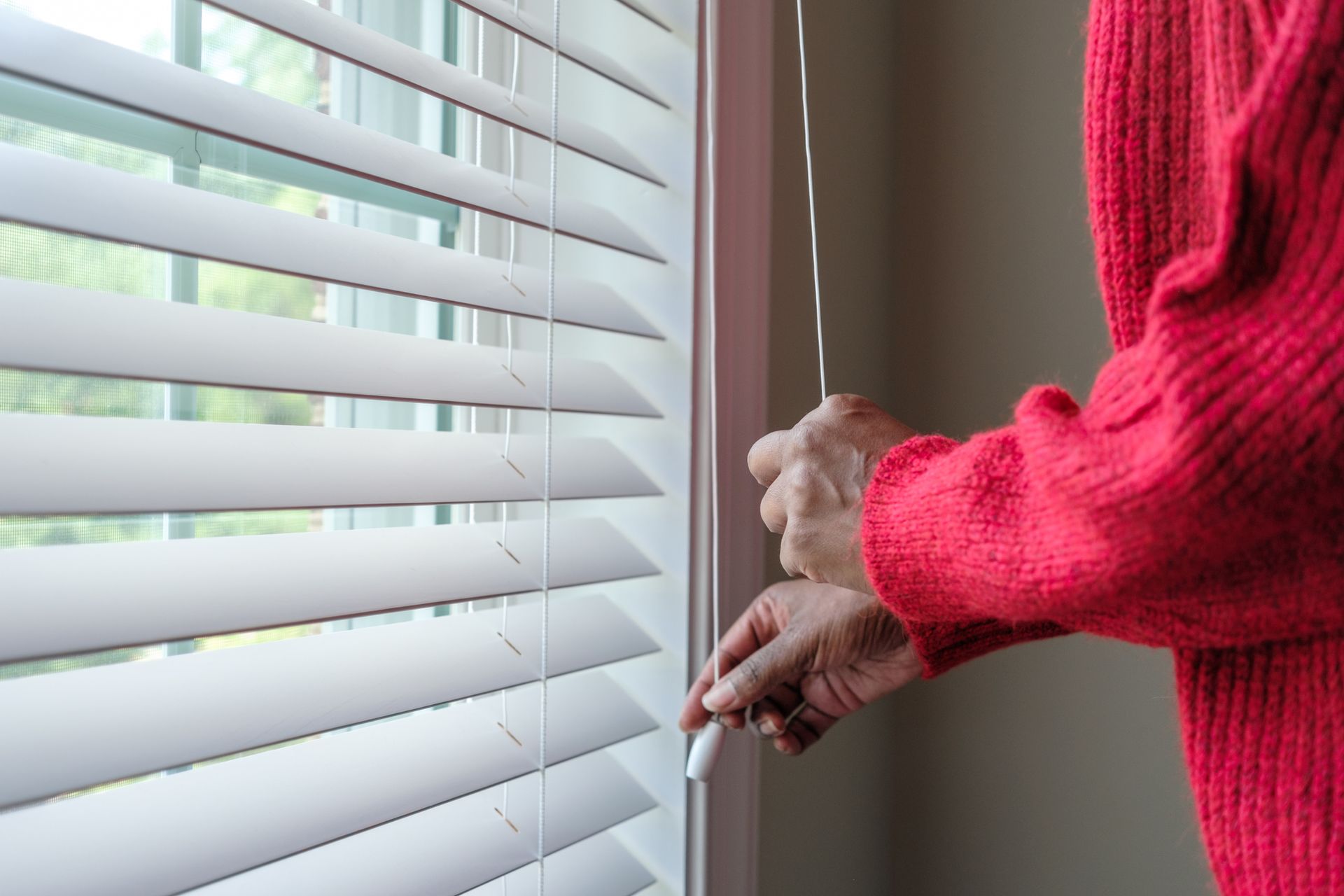
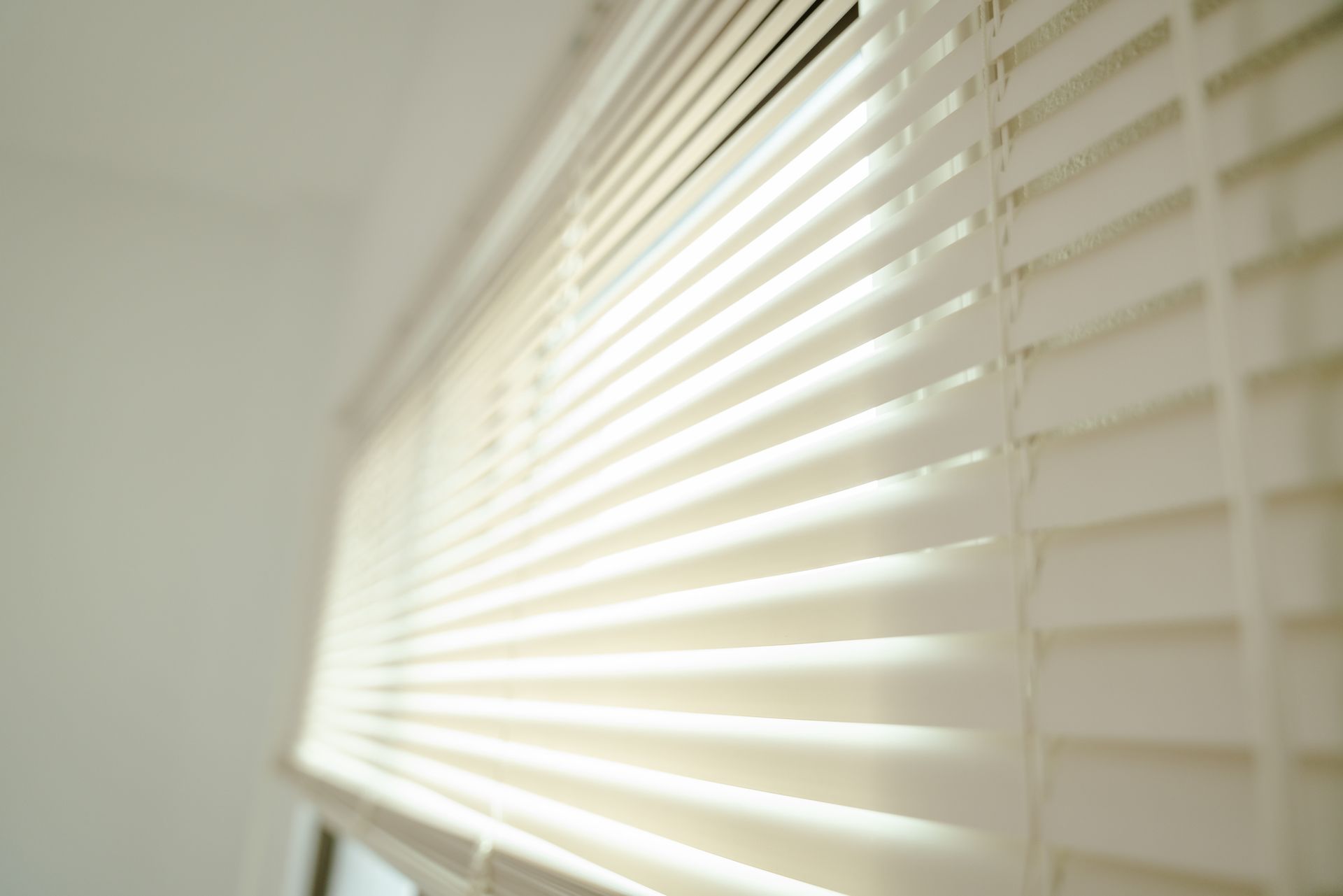
Blinds use individual slats, typically made from wood, faux wood, or aluminum, that tilt open or closed and stack when raised. They give you precise light control and are easy to wipe clean, making them popular in kitchens and bathrooms. In Apex's humid climate, faux wood or composite blinds hold up better than real wood in moisture-prone rooms, since real wood can warp over time.
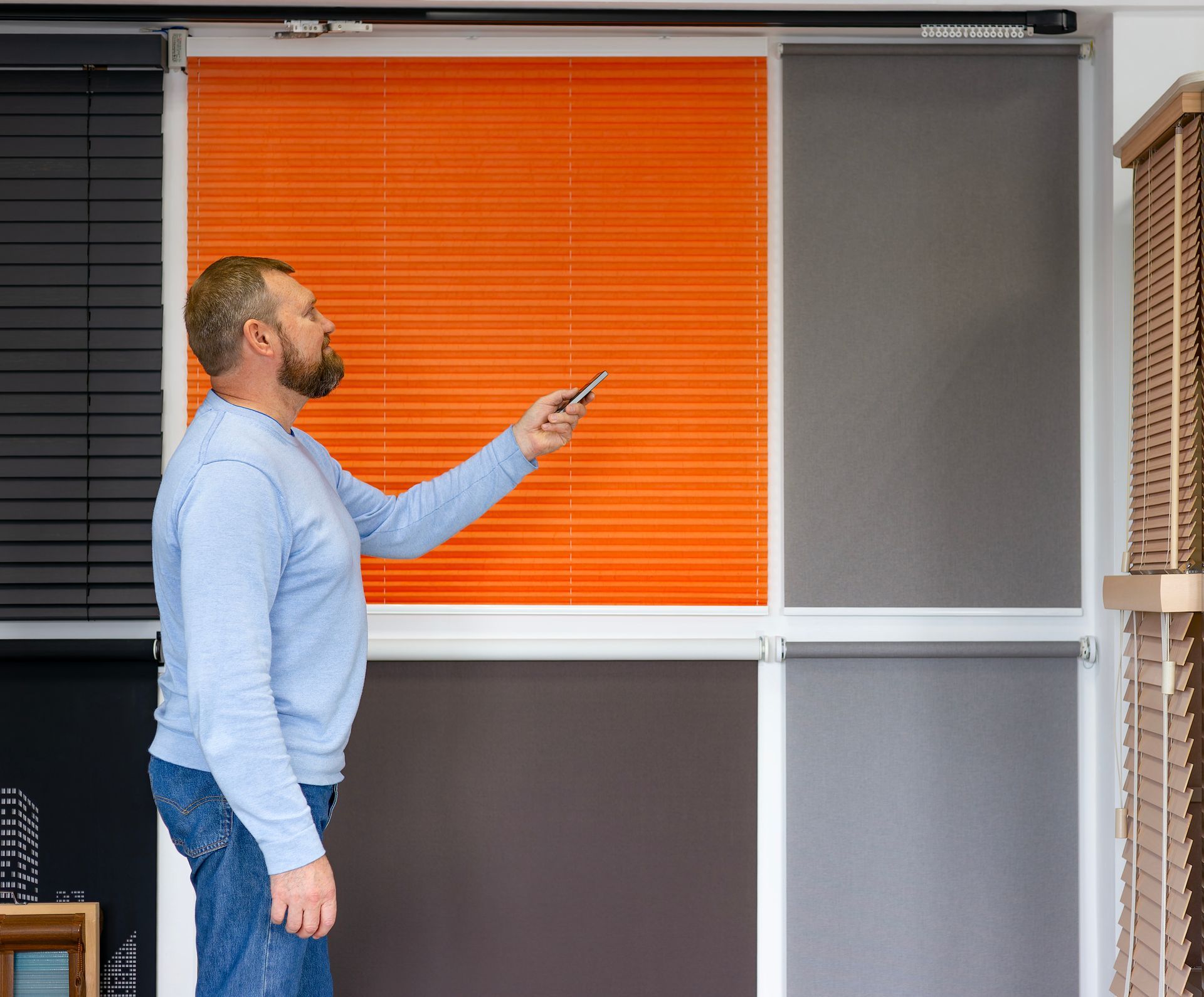
Shades are made from a single piece of fabric that rolls, folds, or lifts as one unit. Any window treatment store worth visiting will carry roller shades, cellular shades, and Roman shades in light-filtering or blackout varieties. Cellular shades provide meaningful insulation benefits, which matters during Wake County's hot summers when afternoon sun pushes up cooling costs. Sheer or light-filtering shades are popular for living rooms and home offices where glare is an issue but natural light is still welcome.
Shutters are solid, louvered panels permanently mounted inside or outside the window frame. Interior plantation shutters are the most durable option and can add lasting value to a home. They are also a practical pick for homeowners in Apex HOA communities, because exterior appearance guidelines often allow interior shutters without triggering a variance review. Explore the full range of custom window treatments for Apex, NC to see available styles.
Which Product Works Best in Each Room?
A good window treatment store will point bathrooms toward faux wood blinds or composite shutters, since both resist moisture and clean up easily. Living rooms benefit from shades or plantation shutters, which offer light control, insulation, and strong curb appeal. For home offices, light-filtering roller shades or motorized blinds reduce screen glare and allow hands-free adjustments throughout the day. Bedrooms are best served by blackout cellular shades or shutters, which support privacy, sleep quality, and energy savings. Kitchens are a natural fit for faux wood blinds, given their humidity resistance and simple maintenance.
For home offices and rooms with large windows, motorized blinds let you adjust light with a remote or smart home device without leaving your desk.
Frequently Asked Questions
Do Apex HOA Rules Affect My Window Treatment Choices?
HOA rules typically govern exterior appearance but rarely restrict interior treatments. Review your CC&Rs before choosing an exterior product.
Are Shutters Worth the Investment for NC Homes?
Yes. Hardwood or composite shutters offer decades of reliable performance and may add perceived resale value in Apex's competitive market.
What Is the Best Window Treatment for High-Humidity Rooms?
Faux wood blinds and composite or vinyl shutters outperform natural wood. Fabric shades can also work well with good ventilation.
Ready to Choose? Let the Right Team Guide You.
As the window treatment store Apex, NC, homeowners trust, The Shutter Production Inc. serves Apex and surrounding areas, offering free in-home consultations so you can see samples in your actual light and get a recommendation that fits your rooms, your HOA, and your budget. Call 910-289-2620 or contact the team online to schedule your free consultation today.